The Mighty Red Pen Still Matters, And Will Always Do
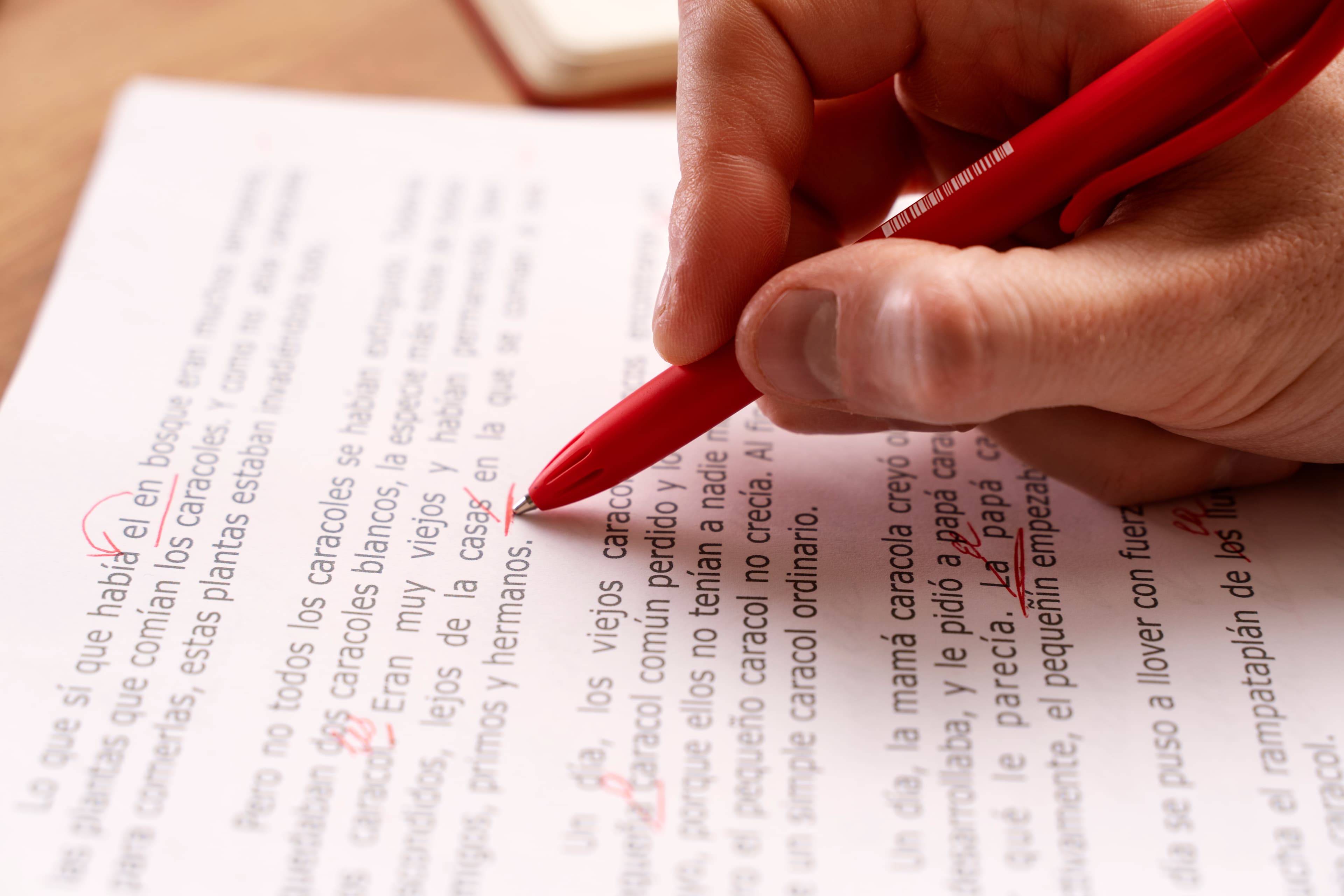
When I made the shift from a frantic newsroom to the PR desk, I thought I was trading speed for structure and spontaneity for strategy. What I didn’t anticipate was how much I’d continue to advocate for the red pen. You know the one. The metaphorical (and sometimes literal) red pen that doesn’t just fix grammar, but sharpens meaning, challenges assumptions, trims the fluff, and polishes tone. In the editorial world, it’s the last line of defence before a story goes live. In PR, while it’s notalways missing, it can often be overshadowed by timelines, tight turnarounds, and now increasingly, AI-generated copy. With the rise of generative AI tools today, anyone can churn out passable content in seconds. But that also means content is becoming alarmingly homogenous. Same structure. Same tone. Same safe word choices. However, it’s the editorial instinct that slices throug that sameness to bring originality and context to the copy.
Content strategy sets the direction, but editing ensures delivery
As someone who juggles multiple hats – Writer, Proofreader, Editor, and occasionally, Strategist – I work on a wide range of material, from press releases and trailer notes to caption copy, briefing docs, and announcement blurbs. And if there’s one thread that binds them all together, it’s the need for clarity and credibility. Sometimes, the absence of an editor makes itself loud and clear. One day, I opened my laptop to review a press note for the grand finale of a reality show. The headline read: “It’s Judgment Day!” Now, only an editor will instinctively catch how tonally jarring, thematically off, and culturally misplaced that is. It’s dramatic, sure. But it’s also tone-deaf and out of sync with the intent of the show. Or consider a last-minute press release drafted in haste during a crisis. Misinterpreted facts, poorly chosen words, or an offhand comment can quickly ignite backlash and damage reputations. Here, an editor does far more than proofread. They carefully shape sensitive messaging with tact, insight, and precision. It’s moments like these that underline why the red pen still matters, perhaps now more than ever.
Editors can contribute to strategy, but strategists can’t always edit
I remember this one time a client wanted me to draft an advertorial for the front page of a leading daily. The brief was tied to the theme of an upcoming film, where the protagonist uses advanced tech to orchestrate a chilling revenge mission after his wife’s murder. And the strategist’s proposed topic for the piece was rather simple (a little too simple, if you will): “Is Technology a Boon or a Curse in Today’s World?” Now that’s less a headline and more a high school debate prompt. Certainly not front-page material. After multiple back-and-forths – reworking the angle, structure, and tone – we landed on a sharper, more intriguing peg: “In a World Powered by Technology, Who’s Really in Control?” A simple shift, but one that elevated the piece from generic to thought-provoking. That’s what happens when an editorial mind joins the strategy table. It’s a common misconception that strategy alone shapes good communication. Strategy might tell you what to say. But editing decides how to say it, in a way that’s impactful,
readable, and relatable. And let’s not forget how a single editorial miss can lead to unintentional hilarity, or worse. Ever invited people to a “pubic event” instead of a “public” one? Or called a campaign “appalling” when you meant “appealing”? And a misplaced comma? It’s the difference between “Let’s eat, Grandma” and “Let’s eat Grandma.” You get the drill!
AI is not going anywhere, and neither should the red pen
Let’s face it, AI is not going anywhere. And that’s not necessarily a bad thing. Generative tools can be great allies for research, first drafts, or repurposing content at scale. But AI still can’t gauge tone, sniff out subtext, or sense when a sentence simply feels off. It won’t tell you if your messaging is culturally out of step, if your paragraph buries the lead, or if your copy sounds like everyone else’s. That’s where the editorial lens comes in. Even the most impressive AI-generated content needs editorial shaping, someone to personalise the messaging, eliminate the noise, and inject the kind of nuance that resonates. It reminds me of a LinkedIn post that caught a lot of eyeballs in late 2024. A Delhi-based job applicant using AI to draft cover letters had accidentally sent the first output generated by AI, without personalising the template, and it went viral in no time. What’s worse? The CEO didn’t hesitate to call out the mistake publicly. This is one of the many instances that prove why relying too heavily on AI without editorial review can result in amateurish or borderline embarrassing errors.
What’s the takeaway? The mighty red pen is here to stay
AI can churn out content in seconds. Strategy can guide tone and message. But precision, flow, voice, and judgment? That still takes a human, and more specifically, an editor. So if we’re serious about strengthening brand narratives, building trust, and landing stories that stick, we need to start valuing editors as core members of the PR team, not just optional add-ons. Because at the end of the day, it’s not just about writing content. It’s about making content worth reading.