AI Will Never Know What Not to Say, And That's the Point
Last month, I was working on a social media post for one of our pharma clients. The deadline was tight, so I did what many content professionals do now: I asked AI for a first draft. The copy looked polished at first glance. It opened with a vaccine statistic from 2021, confidently dropped in a few industry buzzwords, and ended with a line that sounded more suited to selling soap than discussing healthcare. Nothing in it was wildly inaccurate, but everything about it felt off. It completely missed the brief, and more importantly, it did not know what not to say. That moment stayed with me because it highlighted something we do not talk about enough. AI is excellent at generating words, but communication is not just about generating words. It is about knowing which ones should stay, which ones should go, and when saying less carries more weight. In industries where trust matters deeply, such as healthcare, pharma, hospitality, and real estate, that difference is everything.
AI Is Brilliant at the Boring Stuff
To be fair, AI has earned its place in every writer’s toolkit. I use it almost every day. Sometimes it
helps me summarise a long research report before I begin writing. Sometimes it helps me organise interview notes or brainstorm headline ideas. Sometimes it is simply there to help me get past the intimidating blank page. I am clearly not alone. According to HubSpot’s State of Marketing 2026 report, nearly 80% of marketers now use AI in some part of their content creation process. McKinsey estimates that generative AI could improve marketing productivity by two to three folds, while Salesforce found that marketers save nearly eight hours every week by using AI for routine tasks. That is real value. AI is exceptional at speeding up the work around writing. What it has not mastered is the work behind communication.
The Mistakes Aren't Always Obvious
The biggest misconception about AI is that it only causes problems when it produces incorrect
information. In reality, the bigger risk is that it can sound completely convincing while quietly
missing context. Take Air Canada. In 2024, its AI-powered customer service chatbot mistakenly told a passenger they were eligible for a bereavement fare refund. When the customer relied on that advice, the airline initially argued that the chatbot was responsible, not the company. The court disagreed. The issue was not poor grammar or awkward phrasing. It was AI confidently saying something it never should have said. A few months earlier, Google had to pause parts of Gemini’s image-generation feature after it produced historically inaccurate images that sparked widespread criticism. Again, the technology worked exactly as designed. It simply lacked the judgment to recognise where accuracy mattered more than pattern prediction. Communication failures today rarely happen because a sentence is badly written. They happen because something is technically possible but contextually wrong. That is a very human distinction.
Every Brand Doesn't Need to Sound the Same
One thing I have noticed while experimenting with AI is how quickly different brands begin to sound alike. Ask it to write for three luxury hotels, and you will probably get phrases like “unforgettable experiences,” “world-class hospitality,” and “timeless luxury.” Ask it to write for three real estate brands, and suddenly everything becomes “premium living,” “modern lifestyles,” and “elevated experiences.” The words are not wrong. They are just interchangeable.
The truth is that a brand’s voice is not built in one campaign or one prompt. It is built over years of conversations, customer experiences, difficult moments, and consistent choices. That is why great writers spend just as much time editing as they do writing. Sometimes the strongest line is the one you decide to delete. Sometimes the smartest decision is leaving out a statistic. After all, it is outdated, softening a headline because the market mood has changed, or choosing not to publish a celebratory post because something bigger is happening in the world. AI does not naturally make those decisions. People do.
The Real Job Isn't Writing
There is another reason human oversight still matters. Even the companies building today’s leading AI models openly acknowledge that hallucinations remain a limitation. OpenAI CEO Sam Altman has repeatedly advised people not to rely on AI as a source of absolute factual truth. AI predicts what is likely to come next based on patterns. It does not understand accountability.
For writers, that is a significant difference. Imagine publishing a healthcare article with an outdated clinical claim, or a real estate campaign that accidentally overpromises, or a hospitality response during a customer crisis that sounds cheerful when empathy is what is needed. Those are not writing mistakes. They are judgment mistakes. And judgment does not come from data alone. It comes from experience, empathy, business understanding, and an instinct for how people are likely to feel when they read your message.
Use AI to Draft, Not Decide
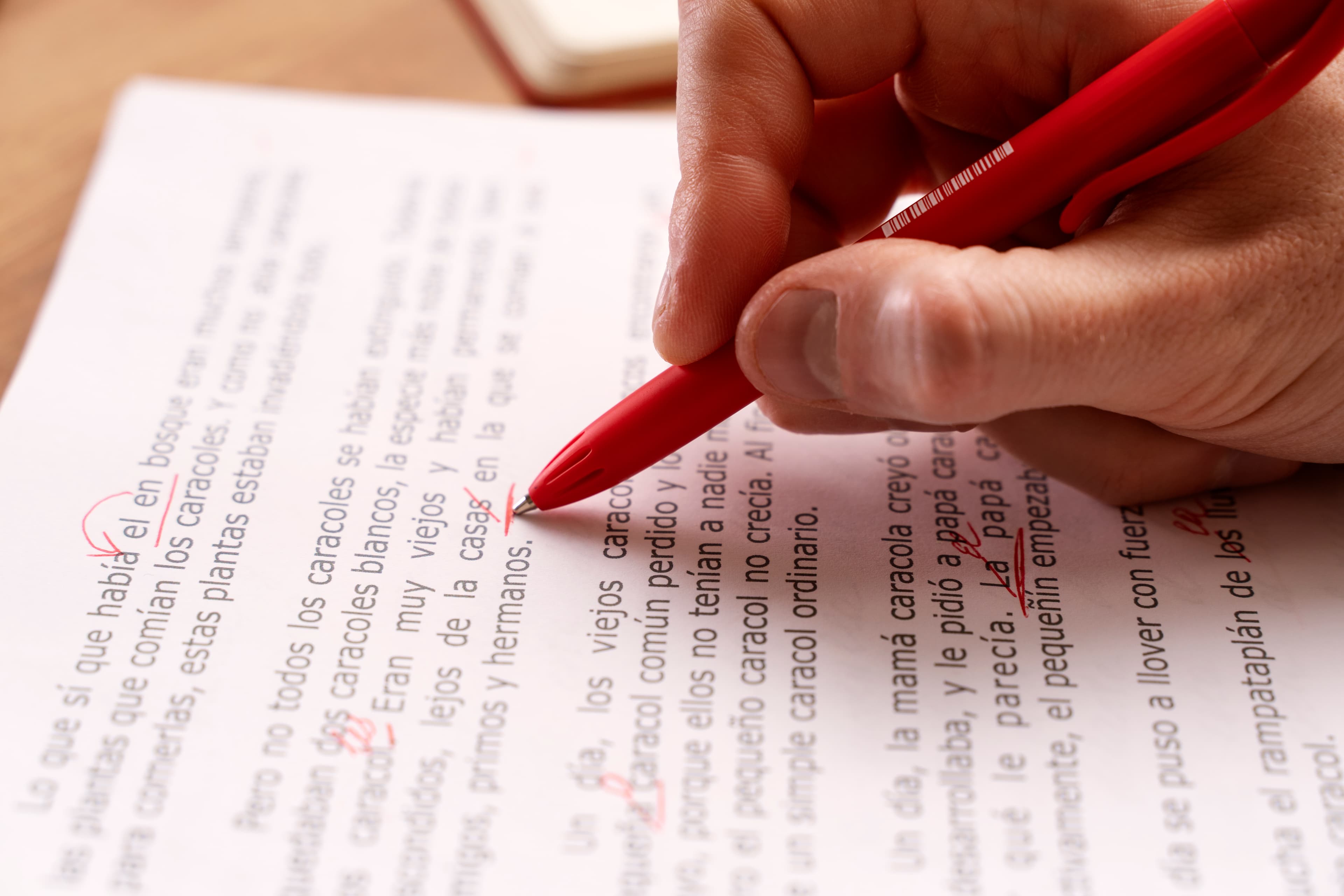
None of this means writers should stop using AI. Quite the opposite. Used well, it is one of the most valuable productivity tools we have ever had. It helps us research faster, organise information, generate ideas, and produce stronger first drafts. But that is exactly what it should remain: a first draft. Think of AI as the fastest intern you will ever work with. It never gets tired, never complains about revisions, and can produce ten versions of the same copy in seconds. What it still needs is an experienced editor, someone who understands the audience, someone who understands the brand, and most importantly, someone who knows when a sentence, no matter how well written, simply does not belong.
I still begin many writing projects with AI. But before anything reaches a client, there is always one final review. Not for grammar. For judgment. Because brands are rarely remembered for saying the most. They are remembered for saying the right thing, at the right moment, in the right way. AI keeps getting better at finding words. Human writers are still better at knowing which ones to leave out. That is the difference. And that is the point.